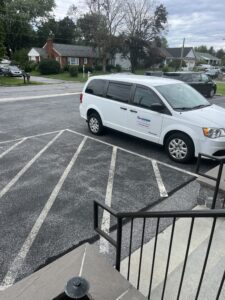
At 4:15 AM, three times a week, the alarm rings in a quiet home on the outskirts of rural America. There is no time for breakfast, only a quick check of a vascular access site and a heavy coat to block the morning frost. By 4:45 AM, a kidney patient sits on the porch, waiting for the headlights of a specialized transport van to wind up the gravel driveway.
Living with end stage renal disease requires hemodialysis three days a week without fail. Millions of Americans live in rural medical deserts far from treatment centers, turning every routine treatment into a multi hour round trip. Over the course of a year, a single patient can log tens of thousands of miles in the passenger seat of a non emergency medical transportation vehicle, a distance equivalent to foreign travel just to keep their blood clean.
The Geography of Survival
The closure of rural hospitals and regional clinics across the United States over the past decade has fundamentally reshaped patient survival. When local facilities shut down, specialized services like nephrology, oncology, and advanced wound care consolidate into regional urban hubs.
For patients who can no longer drive due to physical disability, visual impairment, or severe post treatment fatigue, transportation is a critical component of life support. When a dialysis patient misses a session due to transportation failure, toxins quickly build up in the bloodstream. Fluid retention stresses the heart, often resulting in emergency room visits, costly inpatient stays, or sudden cardiac events.
The Physical and Psychological Toll
The physical strain of chronic transit is profound. A standard hemodialysis session lasts roughly four hours, during which a machine filters toxins and removes excess fluid from the body. Patients routinely leave the clinic feeling exhausted, dizzy, and physically drained.
Adding three to four hours of highway travel on top of a four hour treatment transforms medical care into a grueling ordeal. Patients often return home in the middle of the afternoon with their entire day spent, suffering from dropping blood pressure while waiting for delayed rides.
Bridging the Gap: Dedicated Care That Puts Patients First
While large regional brokers and automated dispatching algorithms often struggle with the complex human needs of rural and long distance transit, dedicated local operators serve as the true safety net for vulnerable individuals.
When long distances, specialized equipment needs, or strict care schedules demand dependable transport, KM Comfort Carriers delivers safe, reliable, and dignified care transitions.
Serving communities across Maryland including Germantown, Urbana, Monrovia, Brunswick, New Market, Emmitsburg, Middletown, Mount Airy, and Myersville, KM Comfort Carriers offers full spectrum non emergency medical transportation tailored to complex patient needs:
- Wheelchair Accessible Vehicles: ADA compliant vans equipped with commercial hydraulic lifts and multi point safety tie downs for stable, secure rides.
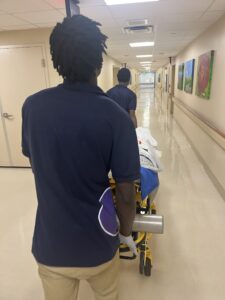
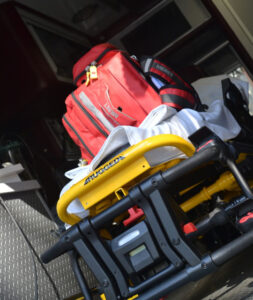
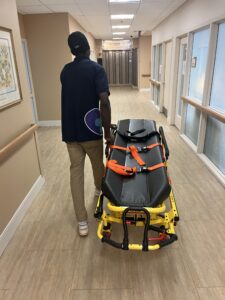
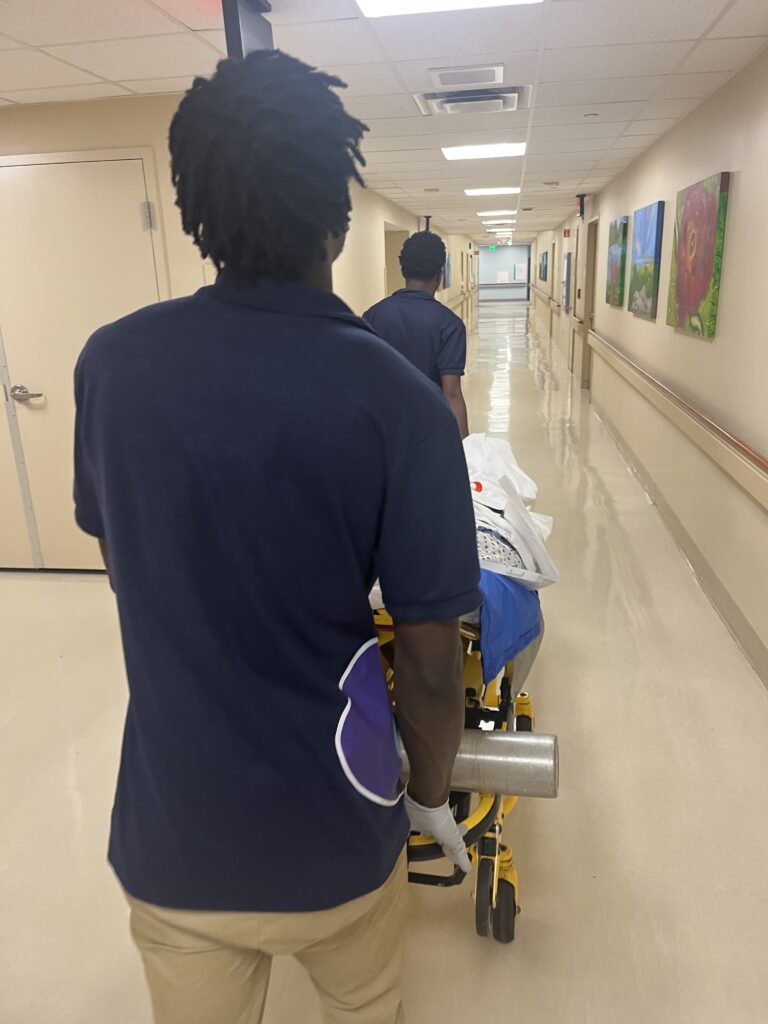
- Stretcher and Gurney Support: Safe, prone position transit for bed confined patients needing specialized handling.
- Ambulatory Transport: Comfortable sedan and SUV options with full door through door driver assistance.
- Flexible Operational Windows: Extended daily coverage from 4:00 AM to 10:00 PM, 7 days a week, designed specifically to handle early morning treatment runs and late discharge gaps.
Whether a patient is managing chronic appointments or a healthcare provider is seeking a dependable transit partner, KM Comfort Carriers ensures nobody is left stranded when care matters most.
Need a Ride or Need to Schedule Transport?
Connect directly with the team at KM Comfort Carriers:
- Phone or Direct Priority Dispatch: 301-658-4626
- Website: kmcomfortcarriers.com
- Email: hello@kmcomfortcarriers.com